0
0
Share.

Maintaining healthy lips is essential for overall skin health. The skin on our lips is thinner and more delicate than other parts of our body, making it prone to dryness and damage. Using lip scrubs and effective care treatments can make a significant difference in removing dead skin cells, improving texture, and keeping lips hydrated and soft.
Unlike other skin, lips lack oil glands and cannot produce sebum for natural moisturization. This makes them vulnerable to environmental stressors like cold weather, wind, and dry air. Lifestyle habits such as smoking and excessive caffeine consumption can also cause dryness, chapping, and discoloration.
Exfoliation removes dead skin cells, promotes cell turnover, and enhances product absorption. After exfoliating, lips become more receptive to treatments, allowing deeper penetration for better hydration.
Key ingredients include humectants like glycerin and honey that attract moisture, and occlusives such as petroleum jelly and beeswax that lock it in. Nourishing oils like coconut oil and shea butter provide essential hydration and protection.
SEE MORE: How to Ensure Your Makeup Stays On Point Throughout the Day
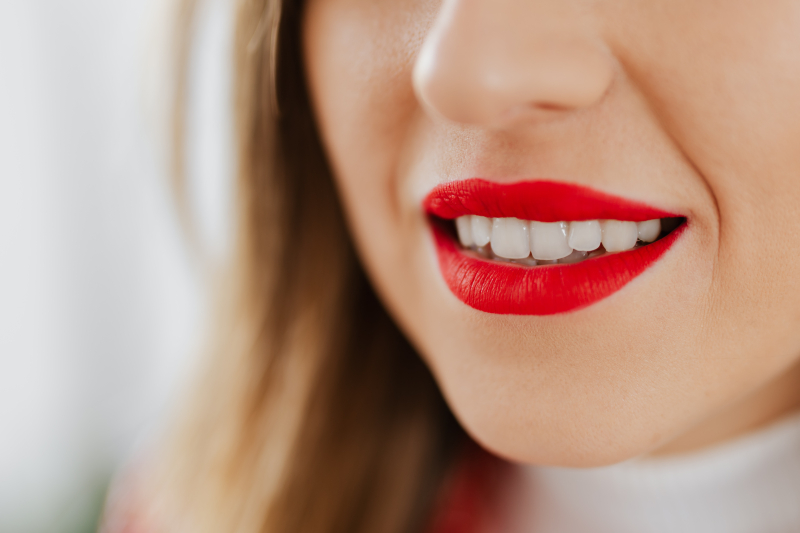
Physical Exfoliants use particles to remove dead skin cells. Sugar-based scrubs are gentle and dissolve quickly, while salt and coffee grounds offer varying exfoliation levels. Choose fine particles to avoid irritation.
Chemical Exfoliants dissolve dead skin cells using acids or enzymes. AHAs like glycolic acid work on the surface, while BHAs such as salicylic acid penetrate deeper. Enzyme treatments from papaya or pineapple are gentle for sensitive lips.
Creating homemade lip scrubs is simple. Mix honey and sugar for nourishing exfoliation, or combine brown sugar with coconut oil for gentle moisturizing. Add vanilla and coffee for antioxidants, or citrus and mint for freshness.
Apply by gently massaging onto lips in circular motions. Exfoliate once or twice weekly.
The market offers various products ranging from luxury brands to affordable options. SHEGLAM lip scrubs and care treatments offer accessible options that balance quality with affordability, making effective lip care available to a wider range of consumers.
Luxury products often feature premium ingredients and sophisticated packaging, while drugstore favorites deliver impressive results without hefty price tags. Clean and natural brands now offer vegan, cruelty-free, and organic certified products for ethically conscious consumers.
Daily Maintenance involves morning SPF lip balm with beeswax, coconut oil, or shea butter. Evening care uses rich balms or masks with hyaluronic acid, vitamin E, or peptides.
Weekly Treatments include hydrating masks with honey, aloe vera, or glycerin. Use treatments with collagen or antioxidants for fine lines or discoloration.
Overnight Treatments use thick balms for protection or nourishing oils for hydration. Apply petroleum jelly over treatments to prevent moisture loss.
Winter requires combating harsh cold and dry indoor heating. Use lip balm with SPF and natural emollients, and exfoliate gently before applying rich balms containing hyaluronic acid or glycerin. Wearing a scarf can protect lips from wind.
Summer demands sun protection. Use lip balms with broad-spectrum SPF 30 or higher to prevent sun damage and premature aging. Stay hydrated and use moisturizing balms or serums.
Transitional Seasons need adjustments. Spring calls for exfoliation and antioxidant treatments, while fall requires intensified moisturizing to prepare for colder months.
For extremely dry or chapped lips, intensive moisturizing with hyaluronic acid or shea butter is essential. If dryness persists despite various treatments, consult a dermatologist for medical-grade solutions.
Lip pigmentation can be addressed with brightening ingredients like vitamin C, niacinamide, or kojic acid. Prevent further darkening by using SPF lip balms and avoiding excessive sun exposure.
For anti-aging concerns, collagen-boosting treatments with peptides or retinol can improve texture and reduce fine lines. Hyaluronic acid helps plump lips and diminish wrinkles.
Maintaining healthy, beautiful lips requires a comprehensive approach including proper exfoliation, daily care, and seasonal adjustments. By incorporating lip scrubs and targeted treatments into your routine, you can achieve soft, smooth, and healthy lips year-round. Consistency and attention to your specific lip concerns will help you maintain optimal lip health and appearance.
Your skin works hard every day to protect your muscles, tissues, and internal organs from damage. As a result, your skin is regularly exposed to the elements and can easily become dehydrated without the right attention. This article will discuss the importance of proper hydration for skin health, including both topical options and oral hydration through food and drink.
In this section, we will discuss topical options for skin hydration, including:
Harsh cleansers deplete the natural moisturizing factors and oils in your skin and can cause your skin to become cracked, dry, or lead to eczema. Instead, opt for gentle cleansers free of chemical exfoliants like alpha hydroxy, glycolic acid, or salicylic acid.
Using cleansers affects the health of your skin’s microbiome. Only wash your face twice a day: once in the morning and once at night before bed. Over-cleansing your skin strips away its natural microbiome and moisturizing barrier agents.
If you need to wash your face more than twice a day, like after a particularly intense workout, putting on a light moisturizer after a cleanser will help replace lost hydration.
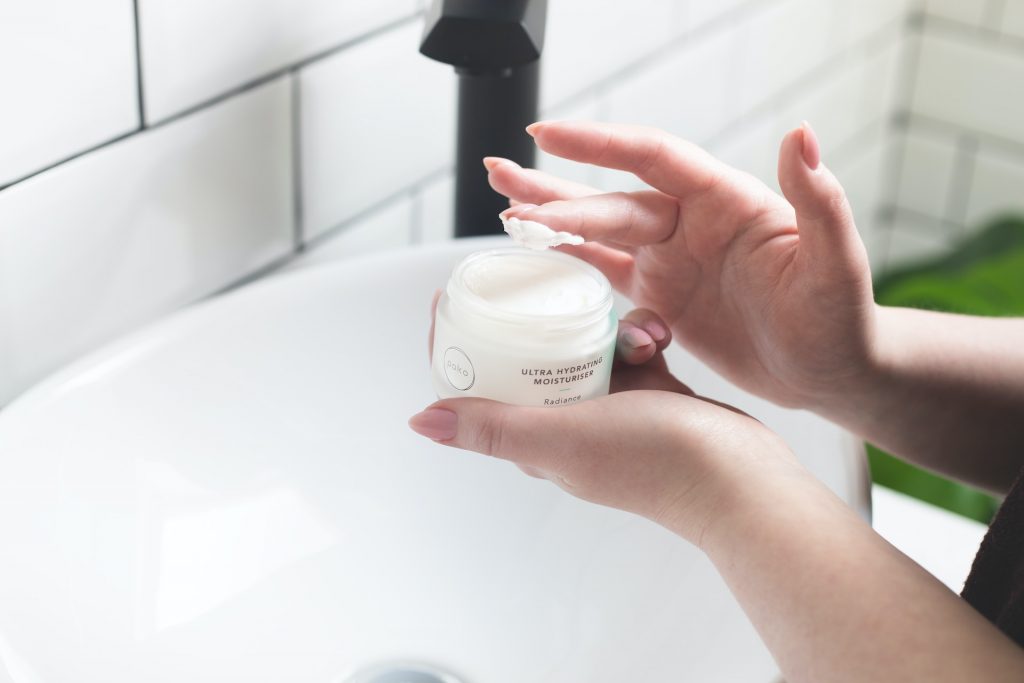
Three types of hydrating ingredients should be part of your skincare routine:
Emollients support the function of the skin barrier, which improves the appearance and texture of your skin.
Humectants bind water into the outer layer of the skin, but they are only effective when used with emollients and occlusives. Occlusives form an inert layer on the skin and prevent water from evaporating into the skin.
To minimize the number of skincare products you need to use, look for products that combine all three of these ingredients.
Free radicals from the sun’s ultraviolet (UV) rays can damage the skin barrier and cause your skin to become dry and irritated. A broad-spectrum sunscreen containing titanium dioxide or zinc oxide forms a physical barrier between your skin and UV rays and keep your skin hydrated.
Use a hydrating moisturizer immediately after washing your face, but the moisturizer you use at night should be heavier than the one you use during the day. Using a heavier moisturizer at night, like one that contains ceramides, petroleum, and squalane, can help prevent moisture evaporation while you sleep.
Exfoliating once or twice a week will eliminate dead skin cells and help your moisturizers absorb better. But exfoliating your skin too often can cause dryness and irritation and even destroy the skin barrier. Use a humectant like glycolic acid or lactic acid to exfoliate your skin.
Using a hydrating sheet mask once a week will increase the water content of your skin. Sheet masks containing ingredients like aloe, green tea, hyaluronic acid, oat extract, vitamin A, vitamin C, and vitamin E will hydrate and soothe your skin.
Water temperature matters for skin hydration when bathing or showering. Hot showers and baths draw moisture out of your skin. For best results, stick to short, lukewarm showers and use a body wash to maximize hydration, such as a body wash containing hyaluronic acid.
The constant allure of movie and television stars and A-list celebrities can quickly make the notion of living up to such ideals seem impossible. Thankfully, many services, cosmetic treatments, and services have recently emerged to help you feel and look your best.
An active and busy lifestyle can stress out and age your skin. The dermaplaning process combines a surgical and facial blade to gently exfoliate dead skin, revealing a fresh, new layer with an increased capacity to absorb skincare products fully.
Dermaplaning in Palo Alto helps revitalize the radiance of your skin while working to reduce acne and visible aging signs. This specialty cosmetic treatment is readily available via a quick call or online booking.
In this section, we will discuss methods of oral hydration through food and drink, including:
Drinking plenty of water is essential to overall health and contributes to skin hydration. However, simply drinking water is not enough to maintain proper skin hydration. Address the other variables of skin hydration, including your diet, environment, lifestyle, and skincare routine.
Eating foods that contain high amounts of water and antioxidants helps maintain skin health. Beets, mushrooms, and spinach are rich in antioxidants and water.
Healthy fats are essential for the proper functioning of the skin barrier. Nuts, olive oil, seeds, and fatty fish like mackerel and salmon contain significant amounts of omega-3 fatty acids that support skin health.
Alcohol, excessive amounts of caffeine, and foods and beverages with high amounts of sodium and sugars all cause systemic dehydration and cause your skin to look dull, non-plump, and sallow. Limiting your intake of dehydrating drinks and foods and ensuring you drink plenty of water after indulging in them can help keep your skin hydrated and healthy.
Your diet, environment, lifestyle, and skincare routine impact skin health and hydration. You can effectively keep your skin hydrated year-round by using a combination of techniques, including topical options like cleansers, moisturizers, and sunscreens and oral hydration through food and drink such as water, antioxidant-rich foods, and healthy fats.